Navigation Menu
Specialized Heel & Arch Care

Plantar Fasciitis Treatment in Marietta & East Cobb, GA

End the stabbing morning heel pain. Board-certified podiatrist Dr. Neha Delvadia, DPM (Diplomate, ABPM) provides comprehensive biomechanical diagnostics, in-office digital X-rays, and custom orthotics at our East Cobb clinic on Johnson Ferry Rd. Serving active individuals and families across Marietta, Roswell, Sandy Springs, and Woodstock. Over 90% of cases resolve without surgery.

Quick Clinical AnswerDoctor-Reviewed by Dr. Neha Delvadia, DPM

What is Plantar Fasciitis and How is it Treated?

Plantar fasciitis is micro-tearing and inflammation of the thick fibrous band of tissue running along the bottom of the foot that supports your arch. It characteristically triggers sharp, stabbing pain during the very first morning steps. Most patients suffer for weeks or months after shoe changes fail because the underlying biomechanical tension remains unresolved. At Podiatry Group of Georgia in Marietta & East Cobb, Dr. Neha Delvadia, DPM utilizes in-office digital X-rays, 3D gait scans, and precision custom functional orthotics to permanently offload tension. Over 90% of cases resolve completely without surgery.

Pathophysiology & Causes

Why Plantar Fasciitis Doesn't Just "Go Away"

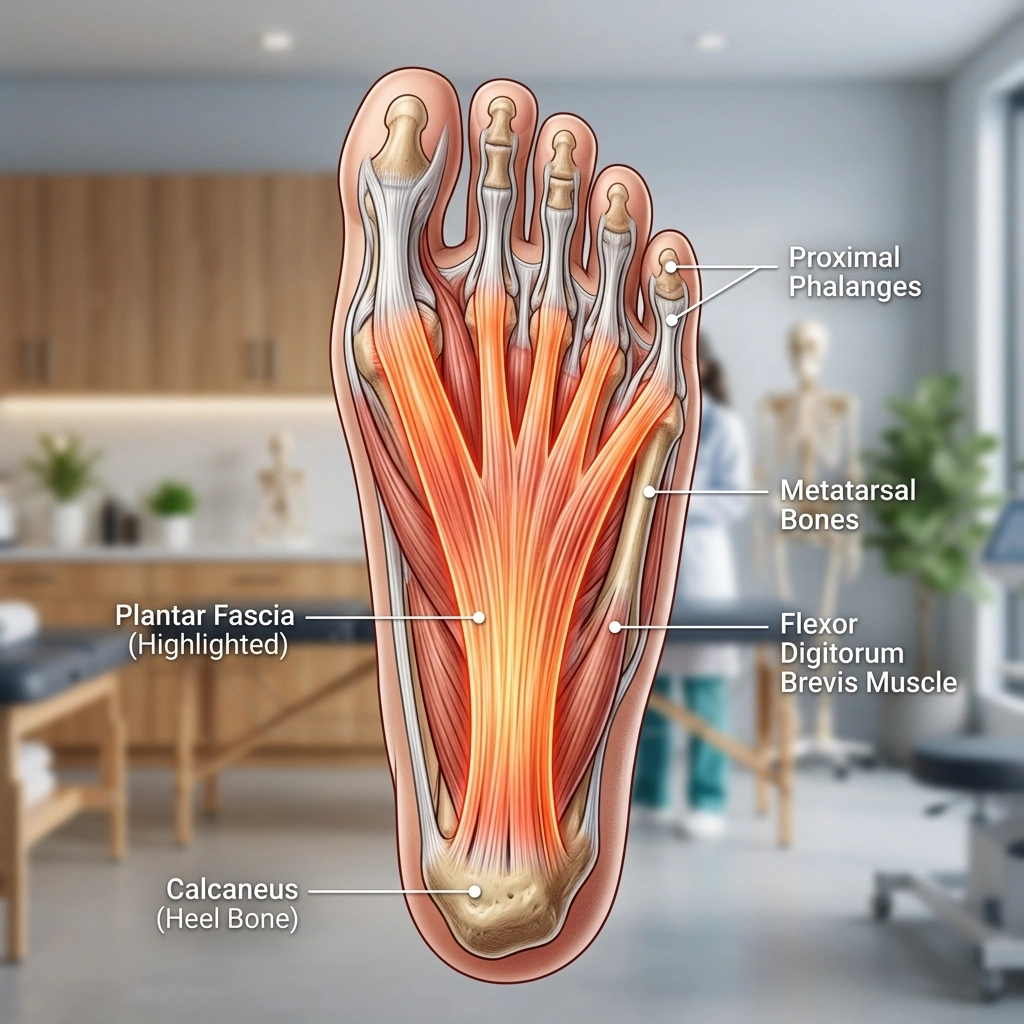
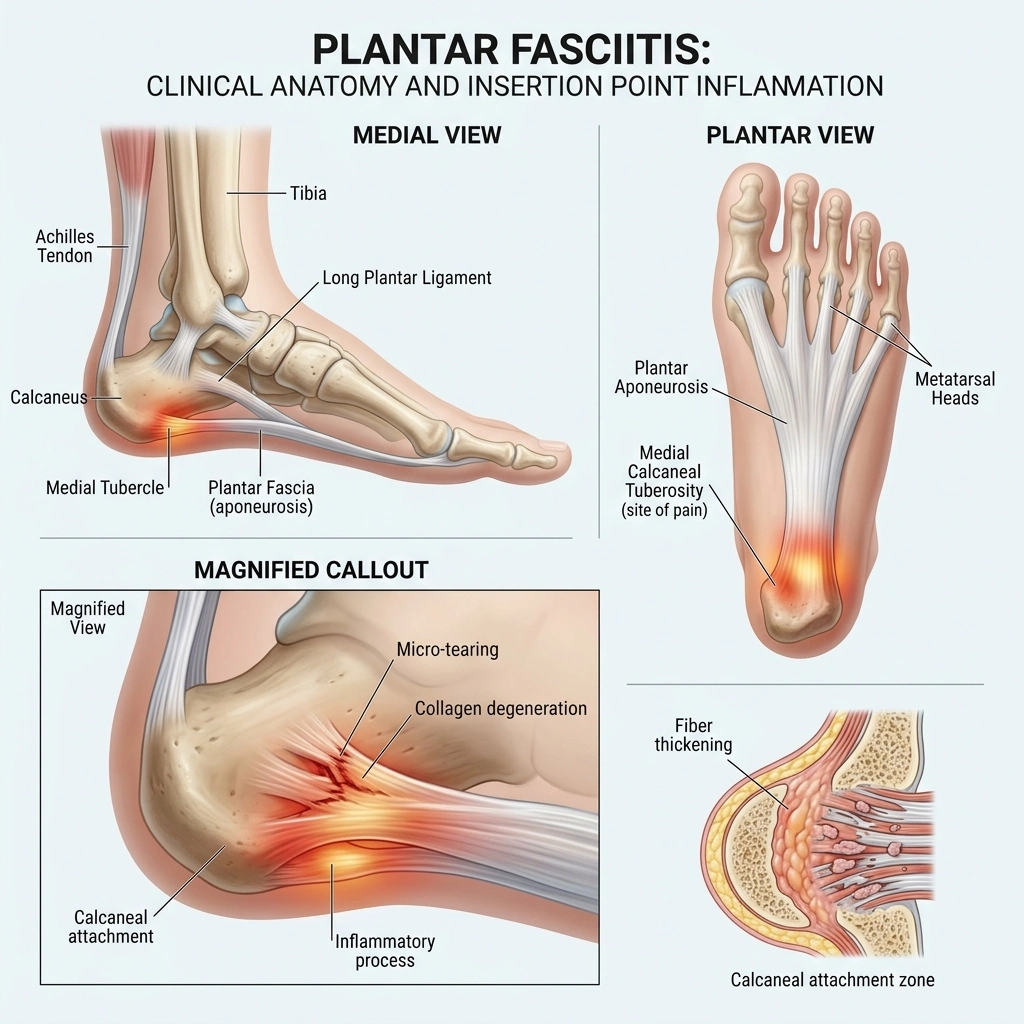
The plantar fascia acts as a shock-absorbing bowstring across the base of your foot, maintaining the structural integrity of your arch with every step. When excessive physical demand, improper footwear, or abnormal biomechanics (such as overpronation or flat arches) place repetitive traction on this band, micro-tears develop at its insertion on the calcaneus (heel bone).

Patients often endure discomfort for several weeks to months, trying new sneakers or taking temporary rest days. However, because walking places up to 1.5 times your body weight on each foot with every single step, the ligament is constantly re-injured before it can heal. Without correcting the mechanical overload, acute inflammation often degrades into chronic plantar fasciosis—weakened, collagen-damaged tissue that requires physician-guided intervention.

If you also experience general heel pain or suspect an associated bone spur, explore our overview on heel pain conditions or learn how prescription custom orthotics correct the mechanical root cause.

Multi-angle clinical anatomical diagram of the foot showing medial view, plantar sole view, and magnified heel bone insertion inflammation - Podiatry Group of Georgia
Expert Insights

3 Mistakes That Make Plantar Fasciitis Worse

According to Dr. Neha Delvadia, these three common missteps silently prolong healing and turn mild morning heel stiffness into chronic, debilitating pain.

Pushing Through the Pain

Hoping it will resolve on its own often turns acute inflammation into chronic degenerative tissue breakdown (fasciosis), extending recovery time.

Buying the Wrong OTC Inserts

Over-the-counter gel cups cushion the heel but do not provide the rigid biomechanical arch support required to offload the plantar ligament.

Walking Barefoot on Hard Floors

Walking barefoot or in flat slippers on hardwood, tile, or laminate floors subjects the healing fascia to unyielding vertical ground forces.

Symptom Checklist

Hallmark Signs of Plantar Fasciitis

If you experience two or more of these clinical symptoms, an in-office biomechanical evaluation can prevent irreversible ligament degradation.

First-Step Morning Stabs

An intense, knife-like pain on the bottom of the heel when taking your very first steps out of bed, easing slightly as the ligament warms up.

Pain After Periods of Rest

Stiffness and throbbing that flares up immediately after standing up from a desk, car ride, or prolonged period of sitting.

Medial Heel & Arch Tenderness

Pinpoint soreness or burning along the inner bottom edge of your heel bone and stretching into the longitudinal arch.

Post-Activity Flare-Ups

Discomfort that doesn't necessarily stop you while exercising or running, but throbs severely once you cool down and rest.

Compensatory Limp & Secondary Aches

Altered walking mechanics to avoid heel pressure that leads to secondary knee, hip, or lower back discomfort.

Tight Calf & Achilles Tension

Marked inability to comfortably flex your toes and ankle upward due to tightness in the gastrocnemius muscle complex.

Conservative Care

Our Non-Surgical Treatment Ladder

We prioritize conservative, biomechanically sound modalities that heal damaged tissue while you continue working and staying active.

Biomechanical Gait & 3D Scans

We analyze your standing alignment and dynamic gait, capturing precise digital scans of your feet to identify abnormal pronation and arch collapse.

Prescription Custom Orthotics

Unlike generic shoe inserts, medical-grade custom orthotics structurally realign your foot skeleton, offloading continuous tension from the plantar band.

In-Office Digital X-Rays

Immediate on-site digital imaging rules out calcaneal stress fractures, evaluates bone spur formation, and confirms structural alignment.

Targeted Rehabilitation Protocols

Physician-directed stretching programs for the Achilles-gastrocnemius complex and plantar fascia, complemented by therapeutic taping and night splints.

Supplemental Cortisone Therapy

When acute inflammation is debilitating, precision anti-inflammatory injections provide rapid symptomatic relief to facilitate physical rehabilitation.

Long-Term Recurrence Prevention

Comprehensive footwear guidance tailored to your profession, sports, and gait to ensure permanent, active, pain-free mobility.

Dr. Neha Delvadia, DPM - Plantar Fasciitis Specialist
Doctor's Insight

The Truth About Cortisone Injections for Heel Pain

"Cortisone is an effective supplemental tool to calm down severe, agonizing inflammation so patients can walk comfortably and begin rehabilitation. But cortisone by itself will never cure plantar fasciitis if underlying mechanical faults—such as arch collapse, overpronation, or tight calf musculature—remain unaddressed. Our goal is never temporary masking; it is long-term mechanical correction."

Dr. Neha Delvadia, DPMDiplomate, American Board of Podiatric Medicine (ABPM)
Patient Journey

What to Expect During the In-Office Visit

Here is what to expect from your initial diagnostic evaluation through your return to pain-free daily activity.

01

Clinical Exam & In-Office X-Rays

Dr. Delvadia examines pain trigger points, tests calf mobility, and takes digital X-rays to assess bone architecture and rule out fractures.

02

Biomechanical Root-Cause Analysis

We identify whether flat feet, high rigid arches, poor footwear, or sudden activity spikes triggered the plantar fascia strain.

03

Targeted Conservative Offloading

We initiate supportive strapping, custom orthotic casting, night splinting, and structured stretching routines to alleviate tension.

04

Permanent Pain-Free Recovery

Over 90% of our patients achieve complete pain resolution through conservative therapy without needing surgical intervention.

Real Patient Experiences

What Our Plantar Fasciitis Patients Say

Verified reviews from Zocdoc — real patients, real outcomes.

5.0
Plantar Fasciitis & Ingrown Toenail Care
Dr. Delvadia is great with our kids who have faced some ingrown toe nail issues over the years. She also helped me deal with plantar fasciitis a few years back! Always super prompt and never waiting long. She is super kind and knowledgeable and fun to chat with!

Patrick C.

Verified Patient

Zocdoc
5.0
Plantar Fasciitis — Emergency Appointment
I was in a lot of pain due to plantar fasciitis and needed to be seen on short notice. Booking my appointment was very easy. The office was well maintained and modern. Front office team members were friendly and got me back to see the Dr within 5 minutes of my arrival. The Dr was so kind. She listened to all of my concerns and gave me excellent tips moving forward to keep me out of pain. I highly recommend this practice. I will definitely come back if the need arises in the future. Thanks so much for your compassion toward me!

Lindsay Renee C.

Verified Patient

Zocdoc
Patient Questions

Frequently Asked Questions About Plantar Fasciitis

Why is plantar fasciitis pain worse during the first steps of the morning?

While you sleep, your foot naturally rests in a downward plantarflexed position, allowing the plantar fascia ligament to contract and shorten in an attempt to heal. When you place your full body weight on the floor during your first steps out of bed, that tightened ligament is suddenly forced to stretch, causing sharp micro-tears at its attachment on the heel bone.

Can I just buy gel heel cups or store-bought inserts at the pharmacy?

Over-the-counter gel cups only provide soft cushioning under the heel—they do not control abnormal foot pronation or support the medial longitudinal arch. Without structural arch support, the plantar fascia remains under continuous tensile pull with every step. Custom functional orthotics are engineered from a 3D scan of your feet to mechanically offload the ligament and eliminate the root cause.

Do cortisone injections permanently cure plantar fasciitis?

Cortisone is a powerful anti-inflammatory tool that can provide profound temporary relief during severe, debilitating flare-ups. However, cortisone alone is a supplemental treatment—it does not correct flat feet, tight calf muscles, or abnormal gait mechanics. At Podiatry Group of Georgia, we combine targeted anti-inflammatory relief with custom orthotics and stretching so the underlying mechanical problem is solved permanently.

Is a heel bone spur causing my plantar fasciitis?

In most cases, no. A calcaneal spur is a bony deposit that forms along the heel bone as a result of chronic traction from the plantar fascia over many months. The spur itself is rarely the source of pain; the sharp discomfort comes from the inflammation and micro-tearing of the soft tissue ligament attached to the bone.

How long does it take for plantar fasciitis to completely heal?

Most patients experience noticeable pain reduction within 2 to 4 weeks of starting a physician-supervised treatment plan with custom orthotics and dedicated stretching. However, because dense ligamentous tissue receives relatively low vascular blood flow, full tissue remodeling typically takes 3 to 6 months of consistent offloading and supportive care.

Will I need surgery for my plantar fasciitis?

Surgery is extremely rare. Under Dr. Neha Delvadia's care, less than 10% of patients ever require surgical intervention. More than 90% of cases resolve completely through conservative, non-invasive therapies such as custom prescription orthotics, structured stretching protocols, supportive footwear modifications, and night splints.

How much does plantar fasciitis treatment cost, and is it covered by insurance?

The cost of plantar fasciitis treatment depends on your health insurance plan and the specific conservative therapies you need. Initial clinical consultations, diagnostic in-office digital X-rays, and physician-guided treatments are typically covered by Medicare and most major commercial health insurance plans (including Blue Cross Blue Shield, Aetna, Cigna, and UnitedHealthcare) under standard specialist copay or deductible terms. For prescription custom functional orthotics, many private plans provide coverage when medically necessary, and Health Savings Accounts (HSA) and Flexible Spending Accounts (FSA) can always be applied. Our office verifies your exact benefits prior to your appointment so you have complete, upfront clarity with zero surprise bills.

Where is your office located, and which communities do you serve?

Our modern podiatry office is conveniently located in East Cobb at 2864 Johnson Ferry Rd, Suite 100, Marietta, GA 30062. We serve patients across Cobb and North Fulton counties, including Marietta, East Cobb, Roswell, Sandy Springs, Woodstock, and Kennesaw. We offer convenient surface-level parking and on-site digital imaging so you can receive a comprehensive diagnosis and treatment plan in a single visit.

What should I do right now at home while waiting for my appointment?

Never walk barefoot on hard surfaces like hardwood or tile—wear a supportive, cushioned recovery shoe indoors. Perform gentle calf and arch stretches before your feet hit the floor in the morning. Avoid high-impact running or plyometrics, apply ice for 15 minutes after prolonged standing, and schedule a comprehensive evaluation so we can address the biomechanical cause.

Take Your First Pain-Free Steps Tomorrow Morning

Don't let morning heel pain limit your daily life. Schedule an in-depth clinical consultation with Dr. Neha Delvadia at our Marietta and East Cobb office today.