
Foot & Ankle Surgery
Advanced reconstructive and corrective surgical care designed to resolve chronic pain, repair complex trauma, and restore functional mobility when conservative treatments fail.
Expert Podiatric Surgical Care
While conservative treatments are always our first line of defense, structural deformities, advanced joint degeneration, and traumatic injuries often require surgical correction. Podiatric surgery is recommended when chronic foot or ankle pain limits your daily activities, prevents exercise, or fails to respond to custom orthotics, injections, and physical therapy.
Dr. Neha Delvadia is a highly skilled, residency-trained podiatric surgeon with years of clinical and reconstructive surgery experience. She specializes in restoring proper alignment, repairing delicate tendons and bones, and utilizing advanced surgical techniques to minimize recovery times and ensure long-term stability.
Why Consult a Surgical Expert?

Types of Surgery We Offer
Our office provides specialized surgical corrections depending on the location of joint damage, bone alignment, and symptoms. Internal fixation (screws, plates, or pins) is utilized to maintain proper correction.
Osteotomy Bunion Procedure
The most commonly used and proven bunion surgery. It involves cutting and removing part of the toe bone, removing the bony lump, and realigning bones inside your big toe joint.
Soft Tissue Realignment
Alters tissues in your foot to correct deformity and improve joint stability. Often combined with an osteotomy to align joint cartilage as much as possible and relieve pain.
Arthrodesis (Joint Fusion)
Involves fusing together two bones in your big toe joint. Recommended for severe joint deformities or advanced degeneration where movement is already limited. (Metatarsophalangeal fusion limits high-heel wear).
Excision Arthroplasty
Removes the bunion and the toe joint entirely, forming a false joint from scar tissue. May involve temporary joint pinning with wires for 3 weeks. Reserved for elderly or severe arthritic cases.
Hammertoe Correction
Straightens rigid or flexible toe contractures by surgically releasing tight tendons, performing joint arthroplasty, or placing temporary stabilizing pins to restore flat alignment.
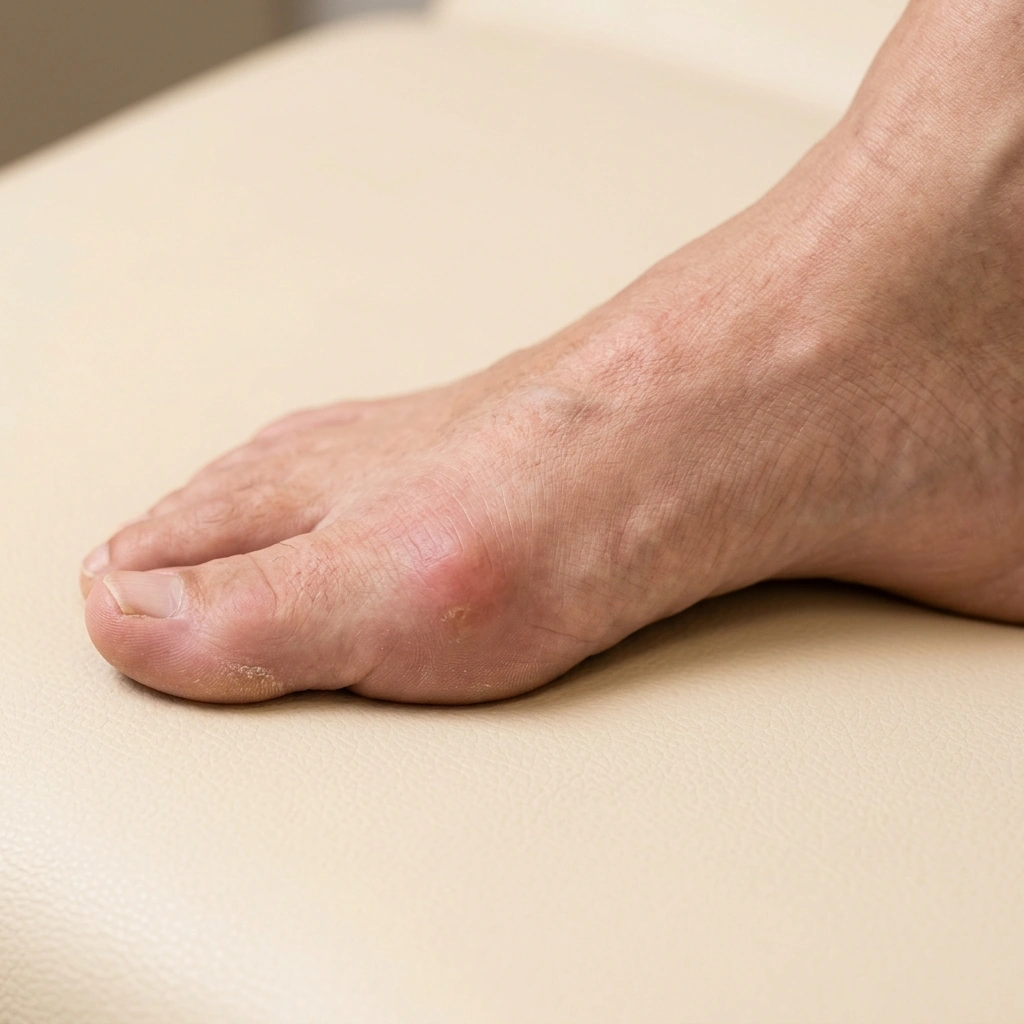
Bunions & Joint Deviations
A bunion (hallux valgus) is a progressive bony deformity at the base of the big toe joint that causes pain, swelling, and crowding of adjacent toes. When conservative therapies fail, advanced surgical realignment is required to correct the bone structure and restore mobility.
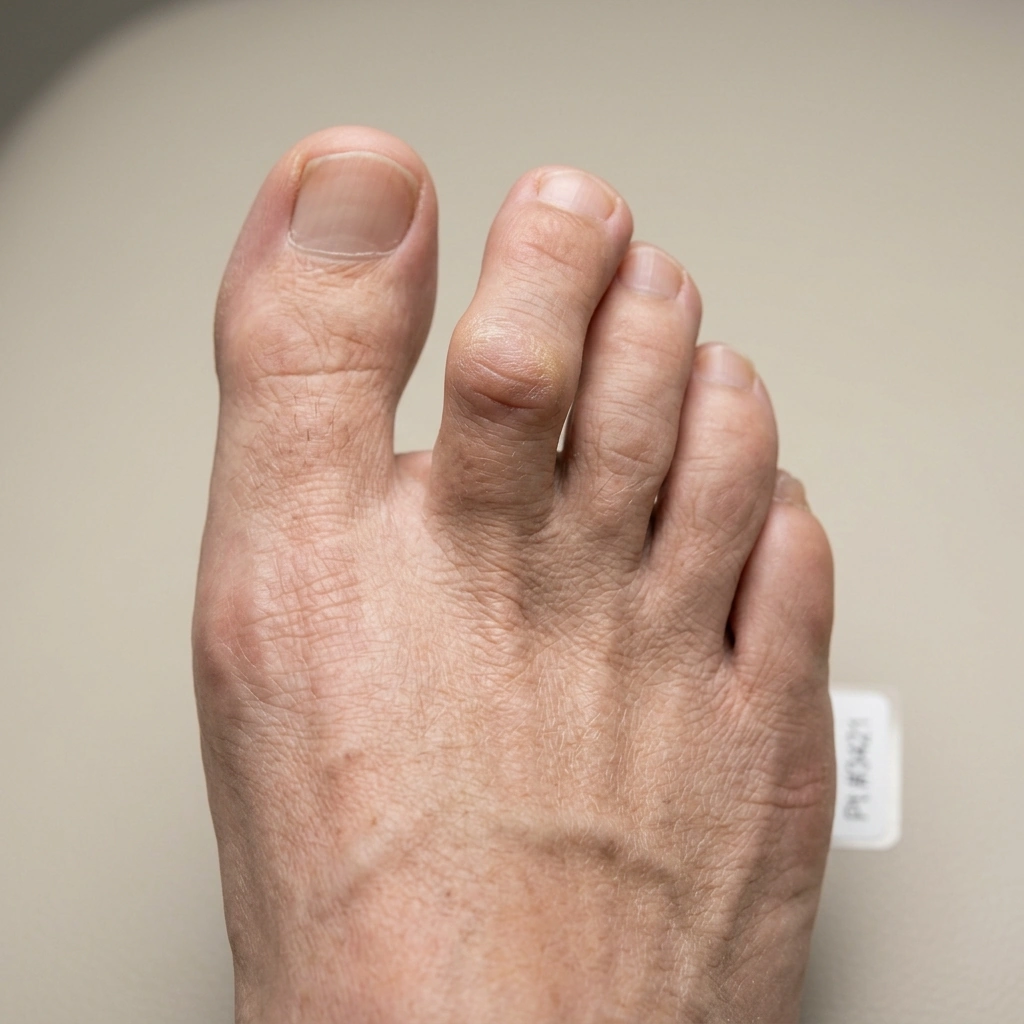
Hammertoes & Digital Contractures
Hammertoes and digital contractures occur when muscle/tendon imbalances pull the smaller toes into a permanently bent position, leading to painful friction rub and calluses. We offer advanced tendon release and joint realignment options.
General Surgical Recovery Guidelines
While the recovery steps below represent standard post-operative healing stages, the exact timeline and weight-bearing parameters depend heavily on the specific procedure performed.
Keep Foot Raised
Swelling is normal and can last 3+ months. You must keep your foot raised to reduce swelling while recovering, though the duration of active elevation varies by surgery.
Initial Surgical Rest
To protect initial incisions, most patients are completely off their feet for the first 4 days, though soft-tissue procedures may permit minor early heel-walking.
Walking Boot Transition
Weight-bearing limits vary: patients often walk on a limited basis using a protective walking boot or postoperative shoe for 4 to 6 weeks depending on bone healing.
Transition to Footwear
Postoperative bandaging and protective shoes are used before returning to normal footwear, which can take anywhere from 6 weeks to 6 months depending on surgical complexity.